Source: thinkprogress.org
By Marlene Heloise Oeffinger Feb 13 2014
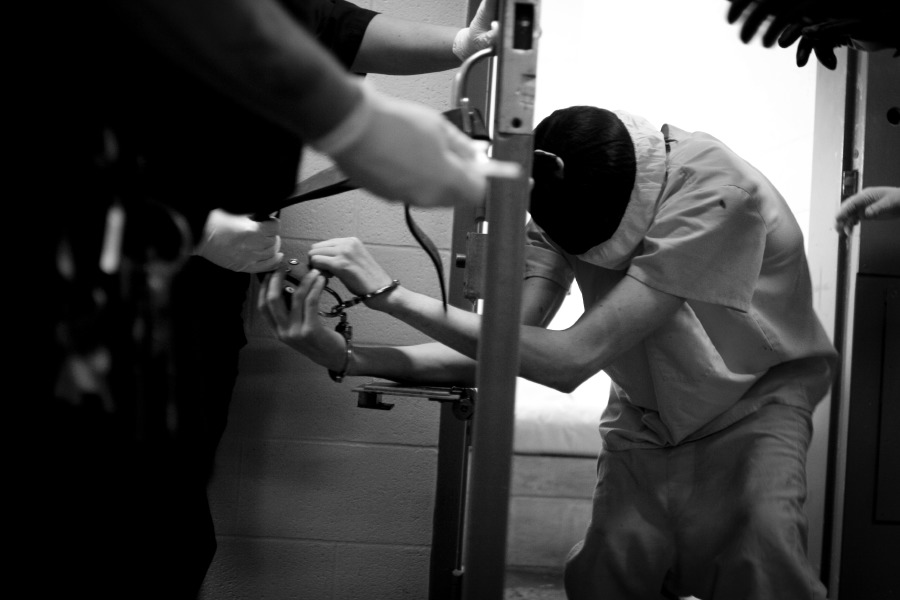
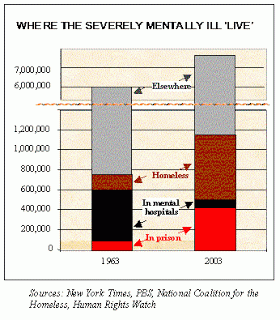
In 2002, 26,000 of U.S. state prison inmates convicted for murder were deemed mentally ill. They had been diagnosed with schizophrenia, major depression, bipolar or other psychotic disorders. In 2007, 24 percent of Canadian prison inmates suffered from either schizophrenia or major depression. And the numbers have only risen since. It’s evident: prisons have become the mental asylums of the 21st century. But should putting mentally ill behind bars, away from society, really be our solution? The answer is no.
The problematic is nothing new. In fact is has been escalating ever since the 1970s, since the days of psychiatric deinstitutionalization. In Canada, like in the U.S., Europe and many other Western countries, psychiatric deinstitutionalization was a movement that began in the 1950s, with the advent of antipsychotic drugs. While the 19th and early 20th centuries saw a large expansion in the number and size of psychiatric asylums in industrialized countries, the later part of the 20th century was defined by their disestablishment.
Although initially based on principles of moral treatment, asylums had become overstretched, overcrowded, and severely neglectful of patients. By the mid-1960s they had become notorious. After literary characters like Billy Bibbit in One Flew Over The Cuckoo’s Nest and Esther Greenwood in The Bell Jar portrayed the neglect, ill treatment and abuse mental health patients endured in these institutions, society felt outraged. And this outrage culminated in a civil liberty movements led by sociologists and psychiatrists to give mental health patients back their dignity, rights and freedoms. To liberate the mentally ill. A goal that came also with a pleasant side effect for governments, namely cost reduction. Patient care was handed over to states and provinces, establishing community health centres and supported housing with drug treatment and public integration.
And while deinstitutionalization has been beneficial to some psychiatric patients, it also left a large number without care. The expectations that community care would result in better social integration have not materialized. Community services can often not provide the required help, be it due to underfunding or other reasons, leaving many mentally ill without work and support, stigmatized and homeless. Of those, many turn to drug abuse and crime, ending up institutionalized. This time in prison.
Now, more than 50 years after the psychiatric deinstitutionalization movement, we can safely say that despite great hopes and ideals the experiment has failed. But how do we move on from here? “Re-institutionalization” is clearly not the answer.
People were once horrified by the plight of Esther Greenwood and Billy Bibbit. And rightfully so. The treatment of mental patients in the 1960s was neither respectful nor medically justified. But would they have received better support in our times, in a society where stigma against mental disorders are still rampant and resources for care scarce? How is Esther and Billy’s plight different from that of any person suffering from mental disorder imprisoned because both government and society have failed to care for them?
 The solutions won’t be easy, cheap or straightforward. But at a time when governments use mostly empty promises in the care of the mentally ill, it is even more important that we as a society come to recognize and accept our role and responsibility in the care of those who cannot care for themselves – be it the elderly or those suffering from mental disorders. Just like Esther and Billy, the homeless person on the street corner is someone’s daughter or sister, brother, son or father. We hold a responsibility for Ester and Billy and it is time to stand up and with our support force the government to step up their programs and end the role of prisons as the new mental asylums of our time.
 Marlene Heloise Oeffinger